


Drug Treatment in Seattle Washington
Finding the right path to recovery can feel overwhelming, especially when facing substance abuse challenges in a bustling city. Fortunately, drug treatment in Seattle Washington offers comprehensive programs designed to help individuals reclaim their lives and build lasting sobriety. Whether you’re seeking help for yourself or a loved one, understanding the available treatment options is the first step toward meaningful change.
Seattle’s treatment landscape provides evidence-based care that addresses both addiction and co-occurring mental health conditions. From initial detoxification to long-term aftercare, drug treatment in Seattle Washington encompasses a full continuum of services tailored to meet diverse needs. These programs recognize that recovery isn’t one-size-fits-all, which is why they offer multiple therapeutic approaches and support systems.
Understanding the Foundation: Detox & Intervention Assistance
Beginning the recovery journey often starts with medically supervised detoxification. Drug treatment in Seattle Washington facilities provide safe, comfortable environments where individuals can withdraw from substances under professional care. Medical staff monitor vital signs, manage withdrawal symptoms, and ensure physical stability during this critical phase.
Intervention assistance serves as another crucial entry point into treatment. Professional interventionists work with families to:
- Plan structured conversations that encourage treatment acceptance
- Provide education about addiction as a medical condition
- Offer immediate placement into appropriate care levels
- Support family members through the emotional process
- Create accountability measures that promote sustained engagement
These initial services lay the groundwork for successful long-term recovery by addressing immediate safety concerns and motivating individuals to commit to comprehensive treatment.
Inpatient & Outpatient Treatment Options
Drug treatment in Seattle Washington offers both residential and outpatient programming to accommodate different severity levels and life circumstances. Inpatient treatment provides 24/7 structured care in a therapeutic environment, typically lasting 30 to 90 days. Residents participate in daily counseling sessions, educational workshops, and skill-building activities while remaining removed from external triggers and stressors.
Outpatient programs allow individuals to maintain work, school, or family responsibilities while receiving treatment. These programs include:
- Intensive Outpatient Programs (IOP) with 9-12 hours of weekly therapy
- Partial Hospitalization Programs (PHP) offering day-treatment services
- Standard outpatient counseling for ongoing maintenance
- Evening and weekend sessions to accommodate various schedules
- Telehealth options for increased accessibility
The flexibility of outpatient care makes drug treatment in Seattle Washington accessible to those who need treatment but cannot step away from daily obligations. Many individuals transition from inpatient to outpatient care as they progress through recovery stages.
Transitional Living: Bridging Treatment and Independence
Transitional living environments, often called sober living homes, provide supportive housing for individuals completing primary treatment. These residences offer accountability and community while allowing residents to practice newly learned skills in real-world settings. Drug treatment in Seattle Washington incorporates transitional living as a vital component of sustained recovery.
Residents benefit from structured house rules, regular drug testing, mandatory meeting attendance, and peer support. This middle ground between intensive treatment and complete independence reduces relapse risk during vulnerable early recovery months. Many Seattle facilities coordinate closely with transitional living programs to ensure seamless care transitions and continued therapeutic support.
Individual & Group Therapy: Core Components of Recovery
Therapeutic counseling forms the backbone of drug treatment in Seattle Washington programs. Individual therapy provides confidential one-on-one sessions where clients explore underlying trauma, develop coping strategies, and work through personal challenges with licensed therapists. These sessions typically occur weekly and allow for personalized attention to specific issues.
Group therapy offers distinct advantages through shared experiences and peer connection. Participants in group settings:
- Reduce isolation by connecting with others facing similar struggles
- Practice communication and interpersonal skills in safe environments
- Receive diverse perspectives on common recovery challenges
- Build accountability through regular attendance and participation
- Develop empathy and support skills that strengthen recovery
The combination of individual and group modalities in drug treatment in Seattle Washington addresses both personal healing and social connection, both essential for comprehensive recovery.
EMDR: Processing Trauma and Addiction
Eye Movement Desensitization and Reprocessing (EMDR) represents a powerful tool within drug treatment in Seattle Washington programs. This therapy helps individuals process traumatic memories that often underlie substance abuse. Through guided eye movements, clients reprocess disturbing experiences, reducing their emotional charge and breaking the connection between trauma and addictive behaviors. EMDR proves particularly effective for those with PTSD, childhood trauma, or trauma-related substance use patterns.
Cognitive Behavioral Therapy (CBT)
CBT teaches individuals to identify and change destructive thought patterns that fuel addiction. This evidence-based approach helps clients recognize triggers, challenge irrational beliefs, and develop healthier responses to stress and cravings. Drug treatment in Seattle Washington facilities utilize CBT to address both substance abuse and co-occurring conditions like depression and anxiety. Clients learn practical skills they can apply immediately and continue using throughout their recovery journey.
Dialectical Behavior Therapy (DBT)
Originally developed for borderline personality disorder, DBT has proven highly effective in treating addiction, especially when emotional dysregulation plays a significant role. Drug treatment in Seattle Washington programs incorporate DBT’s four core modules: mindfulness, distress tolerance, emotion regulation, and interpersonal effectiveness. These skills help individuals manage intense emotions without turning to substances, navigate difficult situations, and build healthier relationships.
Motivational Interviewing
This client-centered counseling approach resolves ambivalence about change and builds intrinsic motivation for recovery. Therapists using motivational interviewing explore clients’ own reasons for pursuing sobriety rather than imposing external motivations. Drug treatment in Seattle Washington counselors employ this technique to:
- Strengthen personal commitment to recovery goals
- Explore discrepancies between values and behaviors
- Support self-efficacy and confidence in change ability
- Reduce resistance through collaborative goal-setting
- Enhance engagement in treatment activities
This approach recognizes that lasting change comes from internal motivation rather than external pressure.
Case Management
Case managers coordinate care across multiple service providers, ensuring clients receive comprehensive support. Within drug treatment in Seattle Washington programs, case managers help with housing placement, employment assistance, legal issues, medical appointments, and insurance navigation. They serve as advocates and guides, connecting clients with community resources that support long-term stability and recovery.
Relapse Prevention
Relapse prevention education teaches clients to recognize warning signs, avoid high-risk situations, and implement coping strategies when cravings arise. Drug treatment in Seattle Washington emphasizes that relapse doesn’t equal failure but represents an opportunity to strengthen recovery skills. Clients develop personalized relapse prevention plans that include:
- Identification of personal triggers and high-risk situations
- Strategies for managing stress and negative emotions
- Emergency contact lists and crisis intervention plans
- Healthy coping mechanisms and self-care practices
- Recognition of early warning signs that precede relapse
These plans become living documents that clients update as they progress through recovery stages.
Family Support
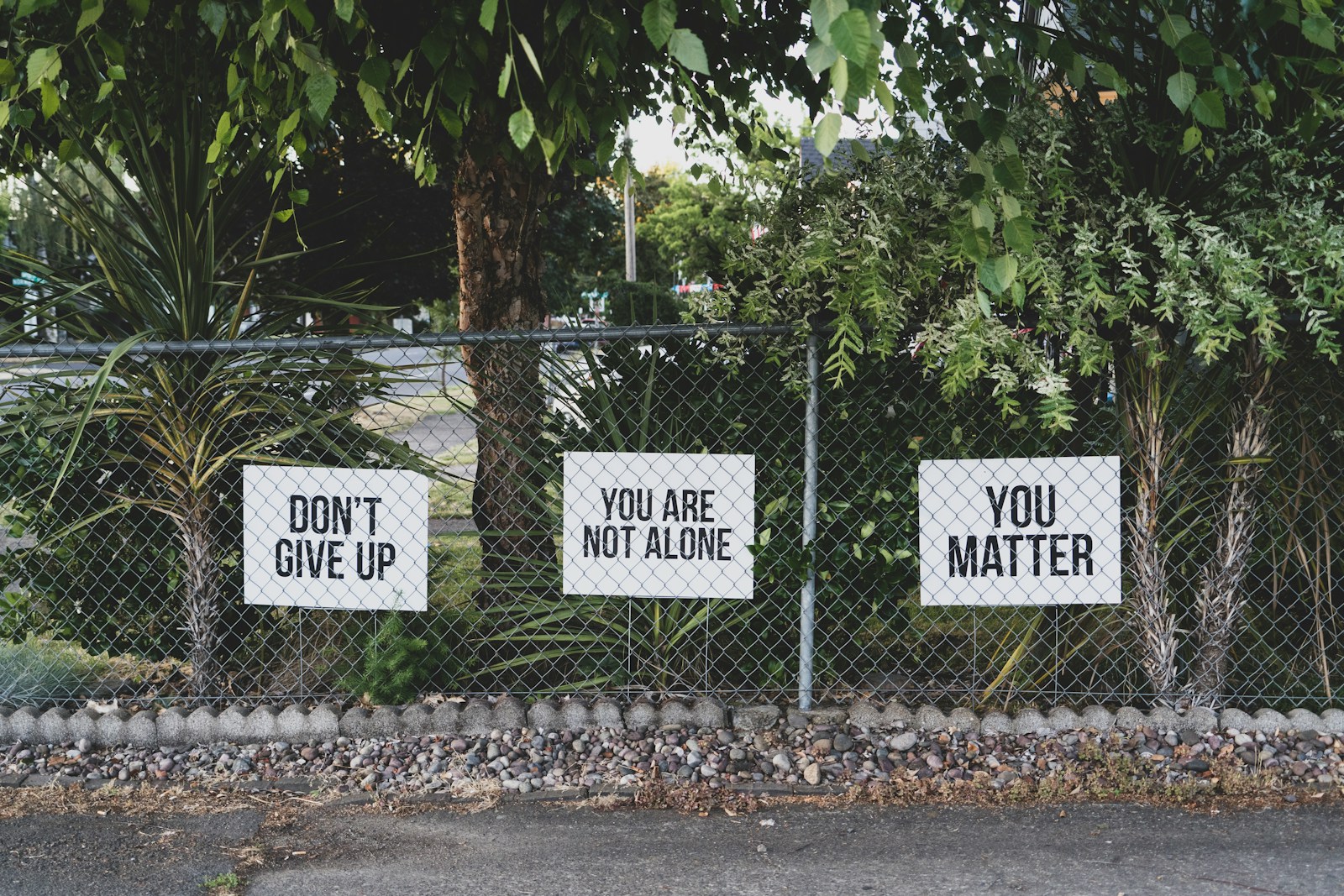
Addiction affects entire family systems, making family involvement crucial to successful recovery. Drug treatment in Seattle Washington includes family therapy sessions, educational programs, and support groups that help loved ones understand addiction, establish healthy boundaries, and heal relationship damage. Family members learn to support recovery without enabling, communicate effectively, and address their own needs through programs like Al-Anon and Nar-Anon.
Addressing Co-Occurring Mental Health Disorders
Many individuals seeking drug treatment in Seattle Washington struggle with co-occurring mental health conditions such as depression, anxiety, bipolar disorder, or PTSD. Effective treatment addresses both addiction and mental health simultaneously through integrated care models. Psychiatrists, therapists, and addiction counselors collaborate to provide medication management, psychotherapy, and addiction-specific interventions that treat the whole person rather than isolated symptoms.
This dual diagnosis approach recognizes that untreated mental health conditions significantly increase relapse risk. By addressing underlying psychological issues while treating substance dependence, drug treatment in Seattle Washington programs improve outcomes and help clients achieve stable, lasting recovery.
Breaking Through Stigma
Despite addiction being recognized as a chronic medical condition, significant stigma continues to prevent many people from seeking drug treatment in Seattle Washington services. Society often views addiction as a moral failing or lack of willpower rather than the complex brain disease it truly is. This stigma manifests through judgment, discrimination, and shame that keep individuals suffering in silence.
The reality is that addiction changes brain chemistry and function, affecting decision-making, impulse control, and reward processing. Recovery requires professional treatment, not simply willpower or desire to stop. Recognizing addiction as a treatable medical condition—similar to diabetes or heart disease—helps reduce shame and encourages people to seek the help they deserve.
Seattle’s treatment community works actively to combat stigma through education, advocacy, and compassionate care that treats individuals with dignity and respect. By speaking openly about addiction and recovery, we create environments where seeking help becomes an act of courage rather than a source of shame.
Building Life Skills for Sustainable Recovery
Recovery extends far beyond abstinence from substances—it involves developing practical life skills that support long-term wellness and independence. Treatment centers throughout Seattle recognize this comprehensive need and integrate life skills training into their programming. Clients learn essential competencies that may have deteriorated during active addiction or were never fully developed.
Financial literacy workshops teach budgeting, debt management, and responsible spending habits. Many individuals in early recovery face damaged credit, unpaid bills, and limited understanding of financial planning. Learning to manage money effectively reduces stress and removes common relapse triggers associated with financial instability.
Employment readiness programs prepare clients for workforce reentry through:
- Resume writing and interview preparation
- Professional communication skill development
- Time management and workplace etiquette training
- Job search strategies and application assistance
- Vocational assessment and career planning support
These services address the practical reality that stable employment contributes significantly to sustained sobriety by providing structure, purpose, and financial security.
Nutritional education helps clients understand how proper diet supports brain healing and overall wellness during recovery. Substance abuse often leads to poor eating habits and nutritional deficiencies that affect mood, energy, and cognitive function. Learning to prepare healthy meals and establish regular eating patterns becomes part of comprehensive self-care.
Community Connection and Mutual Support
Seattle’s recovery community extends beyond professional treatment settings through numerous mutual support groups and peer-led organizations. Twelve-step programs like Alcoholics Anonymous and Narcotics Anonymous offer free, ongoing support through regular meetings held throughout the city. These fellowships provide sponsorship relationships, step work, and community connection that complement professional treatment.
Alternative recovery support groups such as SMART Recovery, Refuge Recovery, and LifeRing offer secular, evidence-based approaches for those seeking different pathways. The diversity of mutual support options ensures individuals can find communities aligned with their personal beliefs and recovery philosophies.
Peer support specialists—individuals with lived recovery experience who receive specialized training—work within treatment programs to offer hope, mentorship, and practical guidance. Their firsthand understanding of addiction and recovery creates unique connections that inspire belief in the possibility of change.
The Path Forward: Hope and Healing
Recovery represents a deeply personal journey that unfolds differently for everyone. Some individuals achieve lasting sobriety after their first treatment episode, while others require multiple attempts before finding stable recovery. What matters most is continuing to reach out for support, learning from setbacks, and maintaining hope even during difficult moments.
Seattle’s treatment landscape continues evolving to meet community needs, incorporating innovative therapies, expanding access to care, and reducing barriers that prevent people from seeking help. From medication-assisted treatment options to trauma-informed care models, programs adapt to reflect current research and best practices in addiction medicine.
Conclusion
Beginning treatment requires courage, but you don’t have to take that step alone. Treatment facilities throughout the city stand ready to provide assessment, guidance, and comprehensive care tailored to your unique situation. Whether you need medically supervised detox, intensive residential treatment, flexible outpatient services, or ongoing support through transitional living, Seattle offers programs designed to help you rebuild your life.
Recovery is possible, and thousands of individuals have successfully transformed their lives through comprehensive treatment programs. With evidence-based therapies, compassionate professionals, and comprehensive support services, you can overcome addiction and create the future you deserve. We are standing by waiting for you to call us at 1 (206) 231-0252 or visit our website. Reach out today to begin your journey toward lasting sobriety and renewed hope.