



Drug Rehab in Seattle Washington
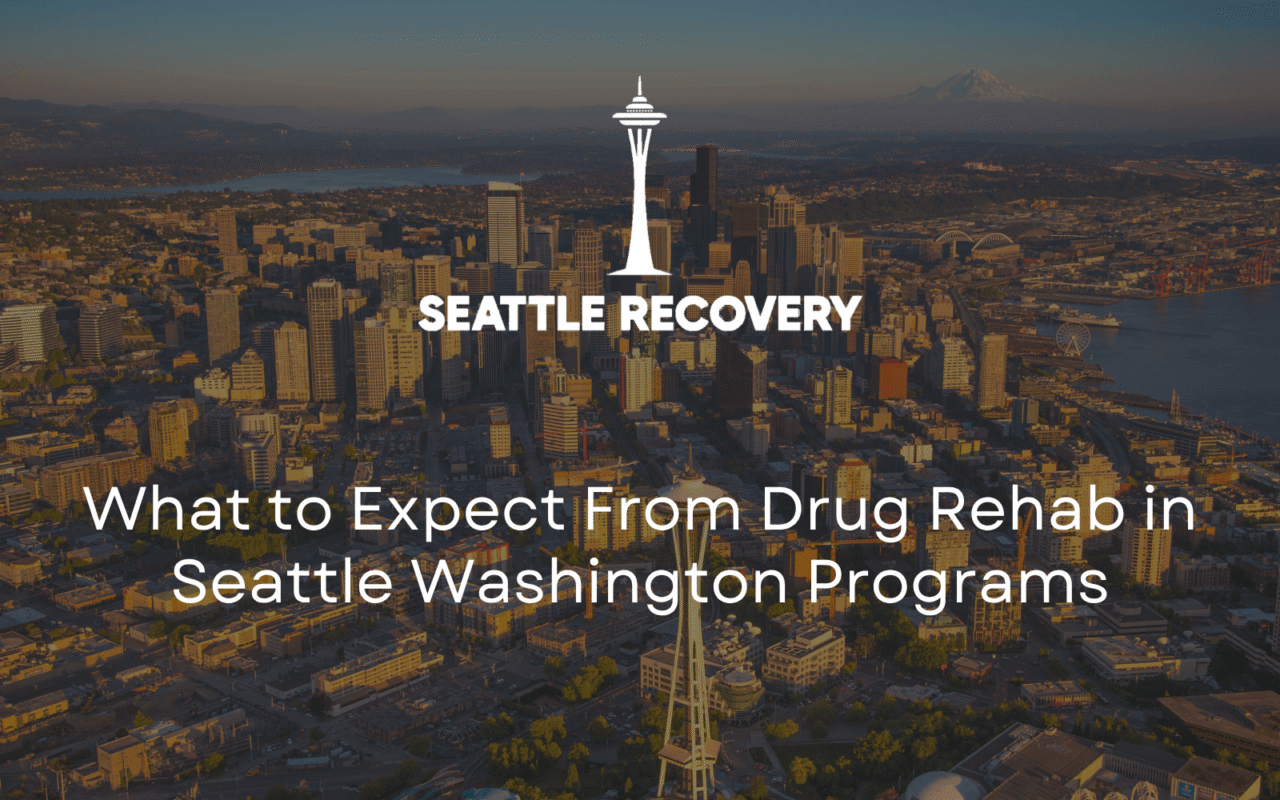
Struggling with addiction affects thousands of people throughout the Pacific Northwest every year. Seattle and surrounding areas offer comprehensive treatment options for substance use disorders. Understanding what drug rehab in Seattle Washington programs provide helps individuals make informed treatment decisions. Many people travel from nearby regions like Bend, Oregon to access Seattle’s resources. Quality treatment combines medical care, therapy, and ongoing support for lasting recovery success.
Understanding Addiction Treatment in the Pacific Northwest
Substance use disorders don’t discriminate based on age, income, or background. The Pacific Northwest faces unique challenges including widespread opioid and methamphetamine use. Seattle’s treatment facilities serve both local residents and people from throughout the region. Many individuals seek drug rehab in Seattle Washington programs after researching options from nearby facilities. Comprehensive treatment addresses both addiction and underlying mental health conditions effectively. Evidence-based therapies form the foundation of successful recovery programs throughout Washington State. Medical professionals understand addiction as a chronic brain disease requiring professional intervention. Treatment facilities provide structured environments where healing and personal growth occur naturally. Programs range from intensive residential care to flexible outpatient services meeting diverse needs.
The Stigma Surrounding Substance Abuse and Mental Health
Society often views addiction as a moral failing rather than a medical condition. This harmful misconception prevents countless individuals from seeking life-saving treatment options. People fear judgment from employers, family members, and their broader communities. Mental health disorders face similar misunderstanding and discrimination in many social circles. These outdated attitudes create unnecessary barriers that keep people trapped in addiction. Stigma operates both externally through social judgment and internally through personal shame. Many individuals blame themselves for developing substance use or mental health problems. This self-directed stigma intensifies feelings of worthlessness that worsen addiction patterns. Drug rehabs in Seattle Washington work deliberately to create judgment-free environments where healing can occur. Staff members treat clients with dignity and respect regardless of their histories. Breaking down stigma requires education about addiction as a treatable medical condition. Many treatment graduates become advocates who challenge harmful stereotypes in their communities. Sharing recovery stories helps normalize conversations about mental health and substance use. Professional treatment demonstrates that recovery is possible for anyone willing to commit.
Intervention Assistance and Medical Detox
Families often struggle to convince loved ones to accept help for addiction. Professional interventionists facilitate structured conversations that encourage treatment acceptance without confrontation. These trained specialists help family members communicate concerns in supportive, effective ways. Intervention services connect seamlessly with admission teams at drug rehab in Seattle Washington treatment facilities. Medical detoxification provides supervised withdrawal management before therapeutic programming begins. Healthcare professionals monitor vital signs and manage potentially dangerous withdrawal symptoms continuously. Medications ease physical discomfort and reduce medical risks during the detox period. Withdrawal symptoms vary dramatically depending on substances used and duration of use. Successful detox completion prepares individuals physically and mentally for therapeutic work ahead.
Individual and Group Therapy
One-on-one counseling forms the cornerstone of personalized addiction treatment planning. Licensed therapists conduct comprehensive assessments examining each client’s unique circumstances and needs. Individual sessions provide confidential space for exploring sensitive topics impossible to address publicly. Therapists help clients identify underlying causes that contribute to their substance use patterns. Group counseling creates powerful connections between individuals facing similar addiction challenges. Participants share experiences, setbacks, and victories with others who genuinely understand their struggles. These sessions reduce the profound isolation that often accompanies substance use disorders. The group setting builds accountability through relationships with peers committed to sobriety. Therapeutic groups focus on specific topics to maximize learning and skill development:
- Process groups explore emotions and interpersonal dynamics
- Psychoeducational groups teach about addiction neuroscience
- Skills-based groups practice communication and stress management
Inpatient and Outpatient Treatment Options
Residential inpatient programs provide 24/7 structured care in safe therapeutic community environments. Clients live on-site and participate in full-day schedules filled with therapeutic activities. This immersive approach removes individuals from environments where substance use previously occurred. Residential treatment typically lasts between 30 and 90 days depending on individual needs. Some people compare drug rehab in Seattle Washington with inpatient drug rehab Bend programs when selecting facilities. Outpatient programs allow clients to live at home while attending scheduled treatment sessions. This flexibility works well for people with strong support systems and stable housing. Many people transition from residential care to outpatient services as recovery progresses. This step-down approach provides continued support while gradually increasing personal independence and responsibility.
Transitional Living and Partial Hospitalization
Sober living homes provide structured substance-free housing for people completing residential treatment. These environments bridge the gap between intensive treatment and fully independent living. Residents follow house rules supporting sobriety, personal responsibility, and community participation. Living with others committed to sobriety reinforces recovery principles learned during treatment. Partial hospitalization programs (PHP) provide intensive treatment without requiring overnight residential stays. These programs typically require attendance five to seven days weekly for several hours. PHP bridges the gap between residential treatment and standard outpatient programming effectively. Multiple therapy sessions, educational groups, and skill-building workshops fill each treatment day.
Case Management Services
Case managers coordinate care between multiple service providers and community resources available. These professionals help clients access housing assistance, employment services, and healthcare providers. They navigate complex systems that can overwhelm people during early recovery phases. Case managers advocate for client needs with insurance companies and government agencies. Managers connect clients with legal assistance, childcare resources, and educational opportunities as needed. They coordinate with probation officers, family court systems, and other involved parties. This wraparound approach treats the whole person rather than focusing only on addiction. Comprehensive case management significantly improves treatment engagement and completion rates among participants.
Mentoring and Alumni Programs
Peer mentors with sustained long-term recovery provide guidance and inspiration to newer clients. These individuals understand firsthand the challenges of maintaining sobriety beyond initial treatment. Mentorship relationships offer accountability, encouragement, and practical advice during difficult recovery moments. Mentors model successful recovery and demonstrate that long-term sobriety is genuinely achievable. Alumni programs keep former clients connected to their treatment communities indefinitely after discharge. Regular meetings, social events, and volunteer opportunities maintain supportive relationships over time. These programs combat the isolation that can lead to relapse after treatment ends. Lifelong connections formed during treatment become powerful assets in maintaining lasting sobriety.

Relapse Prevention Planning
Relapse prevention planning helps individuals identify personal triggers and develop effective response strategies. Clients create detailed action plans for managing high-risk situations without returning to use. These plans include specific coping techniques and emergency contact information for crisis moments. Prevention strategies include:
- Recognizing environmental and emotional triggers that increase craving intensity
- Developing healthy responses to stress and negative emotions without substances
- Building strong sober support networks in home communities
- Establishing consistent routines supporting physical and mental health maintenance
- Identifying early warning signs indicating increased relapse risk
Regular plan review keeps strategies current as life circumstances change over time. Clients learn to view setbacks as learning opportunities rather than complete failures.
Cognitive Behavioral Therapy
CBT helps clients recognize connections between thoughts, feelings, and behavioral responses. This evidence-based approach identifies negative thought patterns contributing directly to substance use. Therapists teach practical skills for challenging and replacing unhelpful automatic thinking. Research consistently demonstrates CBT effectiveness for both addiction and mental health disorders. Clients learn to catch automatic thoughts that trigger cravings or emotional distress. Through guided practice, they develop healthier thinking patterns and make better behavioral choices. CBT provides concrete tools usable independently after formal treatment completion. The practical nature makes it particularly effective for substance use treatment.
Dialectical Behavior Therapy
DBT teaches skills for managing intense emotions without resorting to substance use. This approach emphasizes mindfulness, distress tolerance, and emotional regulation capabilities. Individuals learn to experience uncomfortable feelings without immediately attempting to escape them. The four core skill modules include:
- Mindfulness for developing present-moment awareness without harsh judgment
- Distress tolerance providing crisis survival skills for overwhelming moments
- Emotion regulation helping understand and manage feelings more effectively
- Interpersonal effectiveness teaching healthy relationship communication skills
Group skills training complements individual DBT therapy sessions for comprehensive learning. Regular practice builds confidence in managing life challenges without substances or self-destructive behaviors.
Eye Movement Desensitization and Reprocessing
EMDR addresses traumatic experiences that often underlie substance use disorders significantly. This specialized therapy helps reprocess traumatic memories stored dysfunctionally in the brain. Bilateral stimulation through eye movements reduces emotional intensity associated with past trauma. Many individuals with addiction histories have experienced significant traumatic events requiring processing. EMDR doesn’t require detailed verbal recounting of traumatic experiences during sessions. The therapy can produce significant results in relatively few sessions compared to traditional approaches. Resolving trauma through EMDR removes powerful emotional triggers that previously drove substance use. Clients process traumatic material gradually while maintaining stability in their daily functioning.
Experiential Therapy Approaches
Experiential therapies engage clients through activities rather than only verbal conversation. These approaches include art therapy, music therapy, and adventure-based programming options. Creative expression helps process emotions that are difficult to articulate through words. Common experiential modalities include:
- Equine-assisted therapy working with horses to develop trust and awareness
- Creative arts including painting, sculpture, and other visual expressions
- Music therapy for emotional expression and psychological processing
- Outdoor recreation like hiking, rock climbing, and wilderness experiences
These therapies complement traditional talk therapy in comprehensive treatment programming. Hands-on experiences create powerful metaphors and lasting memories supporting long-term recovery.
Motivational Interviewing
Motivational interviewing helps resolve ambivalence about changing substance use behaviors permanently. This client-centered approach respects individual autonomy throughout the entire change process. Therapists guide clients to discover their own personal reasons for pursuing recovery. The technique avoids confrontation while effectively building intrinsic motivation for change. Practitioners ask open-ended questions that encourage self-reflection and personal insight development. They reflect clients’ own words back to highlight discrepancies between values and behaviors. The collaborative nature of motivational interviewing improves therapeutic relationships and treatment engagement. This partnership model significantly improves treatment completion rates and long-term outcomes.
Life Skills Development
Addiction often interrupts normal development of practical skills needed for independent living. Life skills training covers financial management, job searching, and healthy meal preparation. Clients learn effective time management, communication skills, and conflict resolution strategies. These capabilities build confidence and support long-term stability in recovery maintenance. Programming addresses resume writing, interview preparation, and workplace professionalism expectations clearly. Budgeting workshops help clients manage finances responsibly without turning to illegal activities. Nutrition education and meal planning promote physical health that supports recovery efforts. Practical skill development prepares individuals for successful community reintegration after treatment.
Medication Management
Medication-assisted treatment combines FDA-approved medications with behavioral therapy approaches effectively. Medications like buprenorphine and naltrexone reduce cravings and withdrawal symptoms significantly. This approach proves highly effective for opioid and alcohol use disorders specifically. Psychiatric medications address co-occurring conditions like depression, anxiety, and bipolar disorder. Medical professionals carefully monitor medication effectiveness and adjust dosages as clinically needed. Education about pharmacological treatments reduces stigma and improves medication compliance among clients. Comprehensive medication management services integrate seamlessly with behavioral interventions for optimal outcomes. This coordination improves both addiction and mental health treatment results significantly.
Family Support Services
Addiction impacts entire family systems beyond just the individual using substances regularly. Family therapy helps repair damaged relationships and improve communication patterns between members. Educational programs teach loved ones about addiction as a chronic brain disease. Understanding addiction’s true nature reduces blame and increases compassion within family systems. Family involvement in treatment significantly improves long-term recovery outcomes for clients. Support groups for family members provide their own healing opportunities separate from client care. Learning healthy boundary-setting protects both the person in recovery and their loved ones. Healing family relationships removes major stressors that could otherwise trigger relapse events.
Conclusion
Taking the first step toward treatment requires courage regardless of past attempts or failures. Seattle treatment programs offer comprehensive services addressing all aspects of substance use disorders. Professional staff guide clients through evidence-based therapies proven effective in addiction recovery. Treatment addresses both substance use and co-occurring mental health conditions for complete healing. Recovery remains possible regardless of how long substance use has continued or its severity. Thousands of people successfully overcome addiction annually through professional treatment programs nationwide. The combination of therapy, medical care, support, and personal commitment creates lasting change. Reaching out for help demonstrates strength and self-awareness rather than any weakness. Whether considering local drug rehab in Seattle Washington options or comparing them with inpatient drug rehab Bend facilities, quality treatment makes the difference. Professional programs provide the structure, support, and skills necessary for sustained recovery success. Begin your healing journey today by calling us at 1 (206) 231-0252 or visiting our website. Beginning the recovery journey today opens possibilities for a healthier, substance-free future.